
By Mr David Fitzgerald, Deputy Head Enrichment
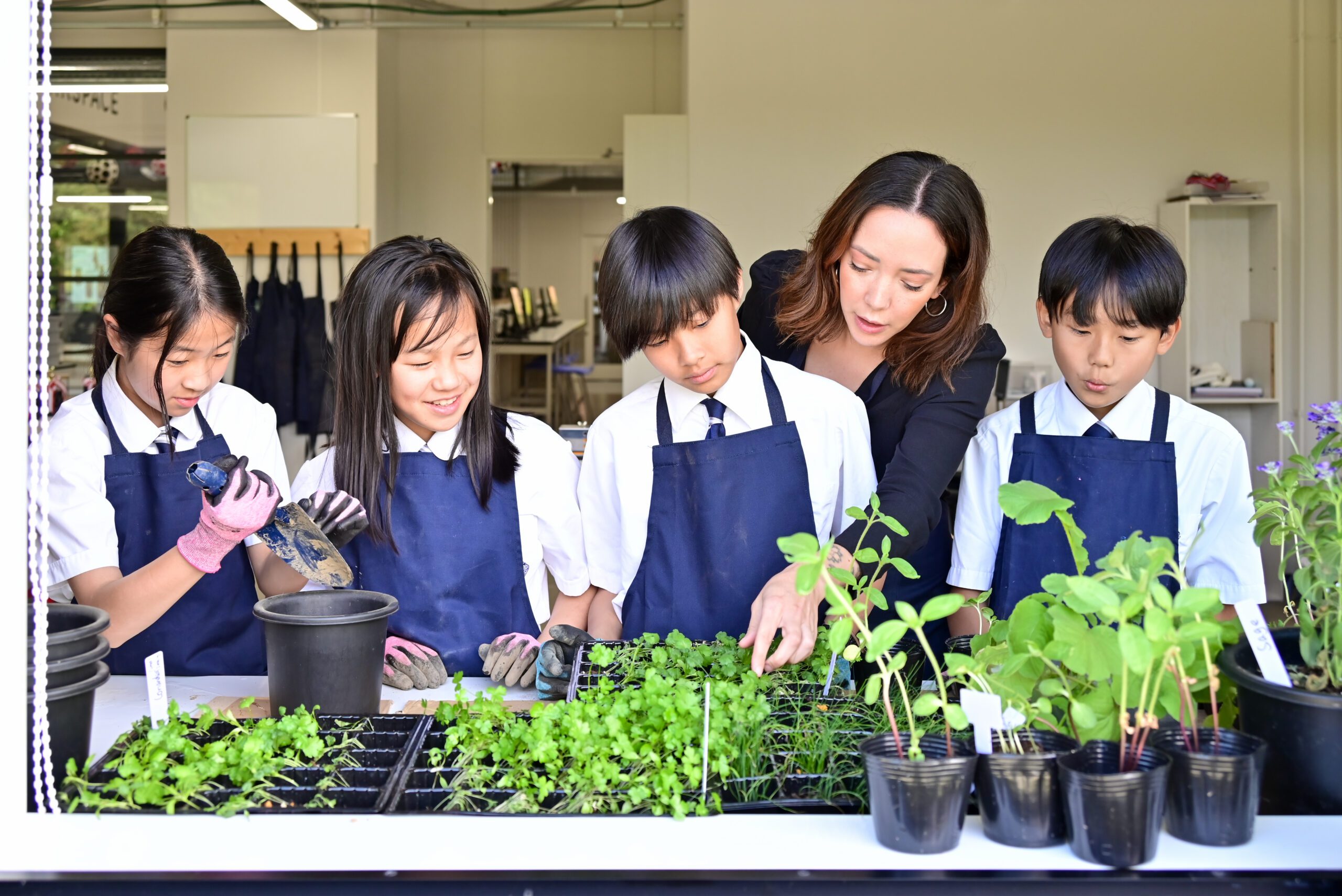
In the rapidly evolving landscape of the 21st century, resilience has emerged as a critical competency for students to develop, influencing not only academic success but also personal and professional development. Resilience, defined as the ability to adapt positively in the face of adversity, equips learners with the skills to navigate challenges and uncertainties (Fergus & Zimmerman, 2020). As global issues such as climate change, economic instability, and social unrest become prevalent supranational features of this century, fostering resilience in educational settings is essential for preparing students to thrive and positively influence a complex and increasingly interconnected world (Berkel et al., 2021).
The importance of resilience extends beyond academic performance; it encompasses important emotional, social, and psychological dimensions. Research indicates that resilient individuals demonstrate better problem-solving abilities, higher emotional intelligence, and greater adaptability (Masten, 2021). These traits are particularly transferable, allowing students to apply their resilience across various life domains, from personal relationships to professional endeavors (Patterson et al., 2020). With this context, it seems pertinent that schools prioritise resilience-building practices to support the cultivation of well-rounded individuals equipped with the transferable personal and professional attributes to thrive in an unknown future world.
Despite this well supported rational, developing resilience within educational environments is a complex and challenging task. Utilising research and international best practice can provide an initial ‘direction of travel’ for schools to build their own independent approaches to developing the resilience of their students. However, advancing this concept into policy and practice poses a challenge to school leaders and teachers, causing an understandable hesitancy that can result in this important topic remaining towards the bottom of a long to do list.
One example of an evidence informed avenue for schools to develop students’ resilience is to systematically implement experiential learning approaches that engage students with the natural environment. To further develop the theme of outdoor learning, schools can explore outdoor learning through programmes of challenging adventurous activities or by integrating the natural environment into the curriculum. Activities that involve outdoor learning, including adventure-based programmes provide students with opportunities to face and overcome real-world challenges (Glover et al., 2022). Although each school possesses a unique demographic and access to the natural environment can be dependent on the institution’s location, budget, staffing levels, transportation availability and culture, there are approaches that schools could viably explore when looking to utilise nature to support resilience development.
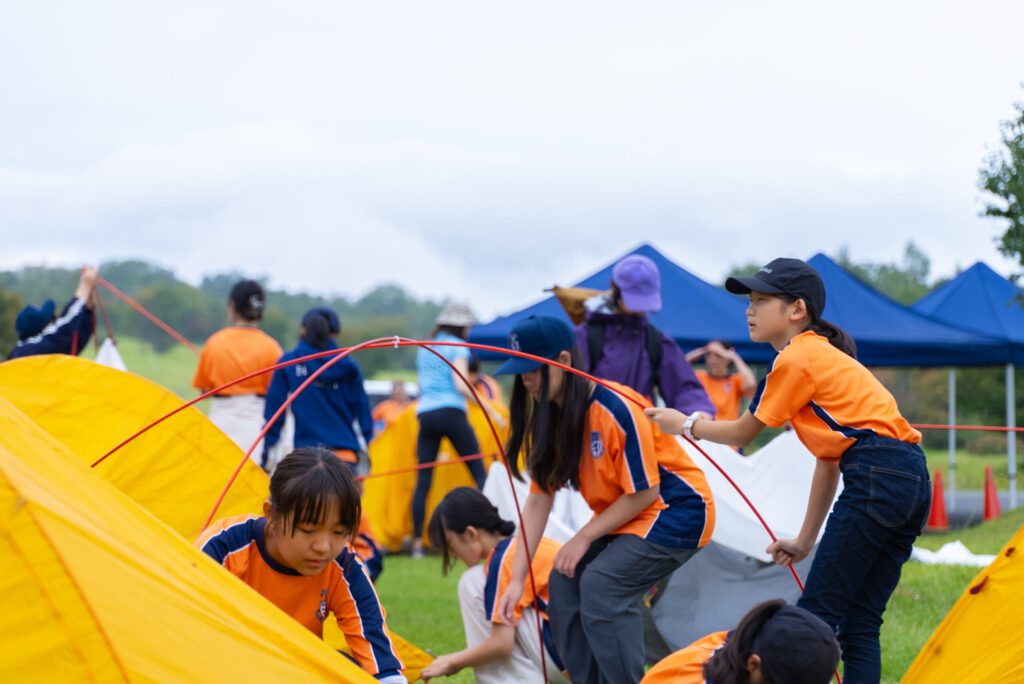
For instance, participating in adventurous activities or team-building exercises in natural settings not only enhances interpersonal skills but also fosters a sense of belonging and community – both critical components of resilience (Miles et al., 2020). If adventurous or risk-taking activities pose implementation challenges, then schools can more simply embed programmes that take students outdoors for activities that encourage exploration and reflection, helping them build a resilient mindset. For example, nature-based therapy has gained traction in educational settings, promoting emotional regulation and coping strategies among students facing challenges (Hawkins et al., 2021).
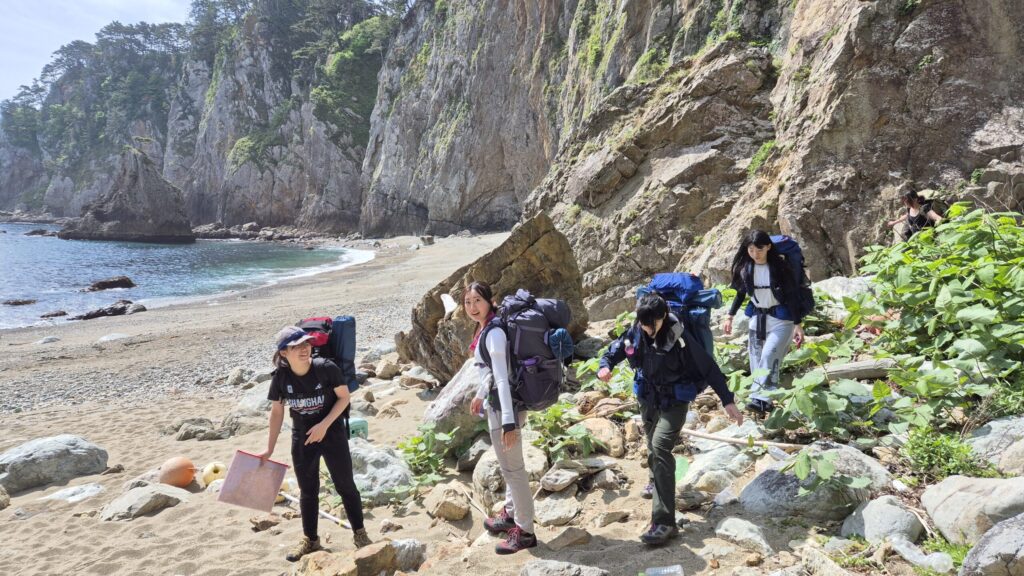
Moreover, integrating nature into the curriculum through structured lessons has been shown to reduce stress and enhance psychological well-being, further supporting resilience (Bowler et al., 2022). This can be executed through (i) systematically planning outdoor learning activities that are built into the enacted curriculum, (ii) stimulating engagement with nature through environmental projects or (iii) planning a schedule of visits that enables a mapped engagement with the outdoors.
Resilience is an indispensable quality for students in the 21st century, offering vital skills for personal and professional success. Although there are many levers of change that schools can pull to advance student resilience, by incorporating strategies that utilise nature within educational frameworks, schools begin to reliably and effectively nurture resilience. Experiential outdoor learning that occurs through nature-based adventure and challenge, through curriculum delivery or through a thorough visits schedule, present as accessible starting points for schools to bring in resilience practices.
As educators, fostering this quality not only prepares students for the complexities of modern life but also empowers them to become proactive, adaptable, and resourceful individuals in an unpredictable world.